From Relief to Recovery: What Happens After Initial Deployment
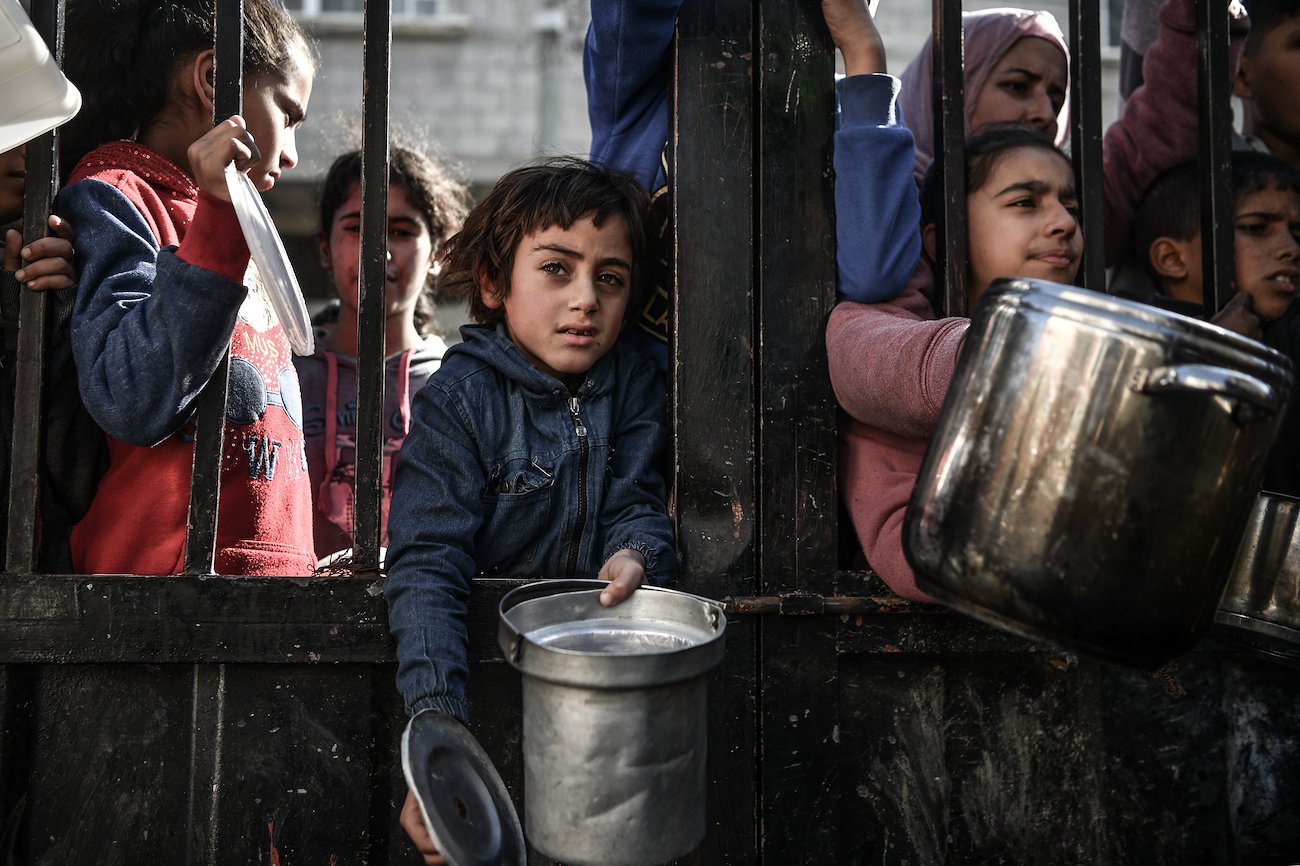
The strongest deployments create a bridge between emergency relief and longer-term stabilization, recovery, and resilience planning.
Crisis Response Deployment Programme operations are designed to move rapidly from assessment to implementation. GAESE teams coordinate with local actors, humanitarian partners, and field volunteers to ensure emergency assistance reaches communities facing acute disruption.
Each deployment balances speed with accountability. This means route mapping, beneficiary validation, safeguarding, and logistics planning happen in parallel so emergency interventions remain responsive without losing operational control.
As conditions evolve, field teams adapt delivery plans, referral pathways, and protection mechanisms to reflect real-time community needs. The goal is not only to stabilize the immediate crisis environment but also to create a reliable bridge into recovery and resilience support.
Deployment Note
GAESE crisis deployments prioritize safe access, verified needs, and coordinated field delivery so that emergency resources are distributed efficiently, transparently, and with community protection at the center.